

Conditions We Treat
From everyday aches to complex health concerns, Lime Health and Wellness provides personalized care focused on helping you feel your best. We treat a wide range of conditions with compassionate, evidence-based support tailored to your unique needs.
Conditions We Treat
We provide treatment and support for a wide range of conditions, including:
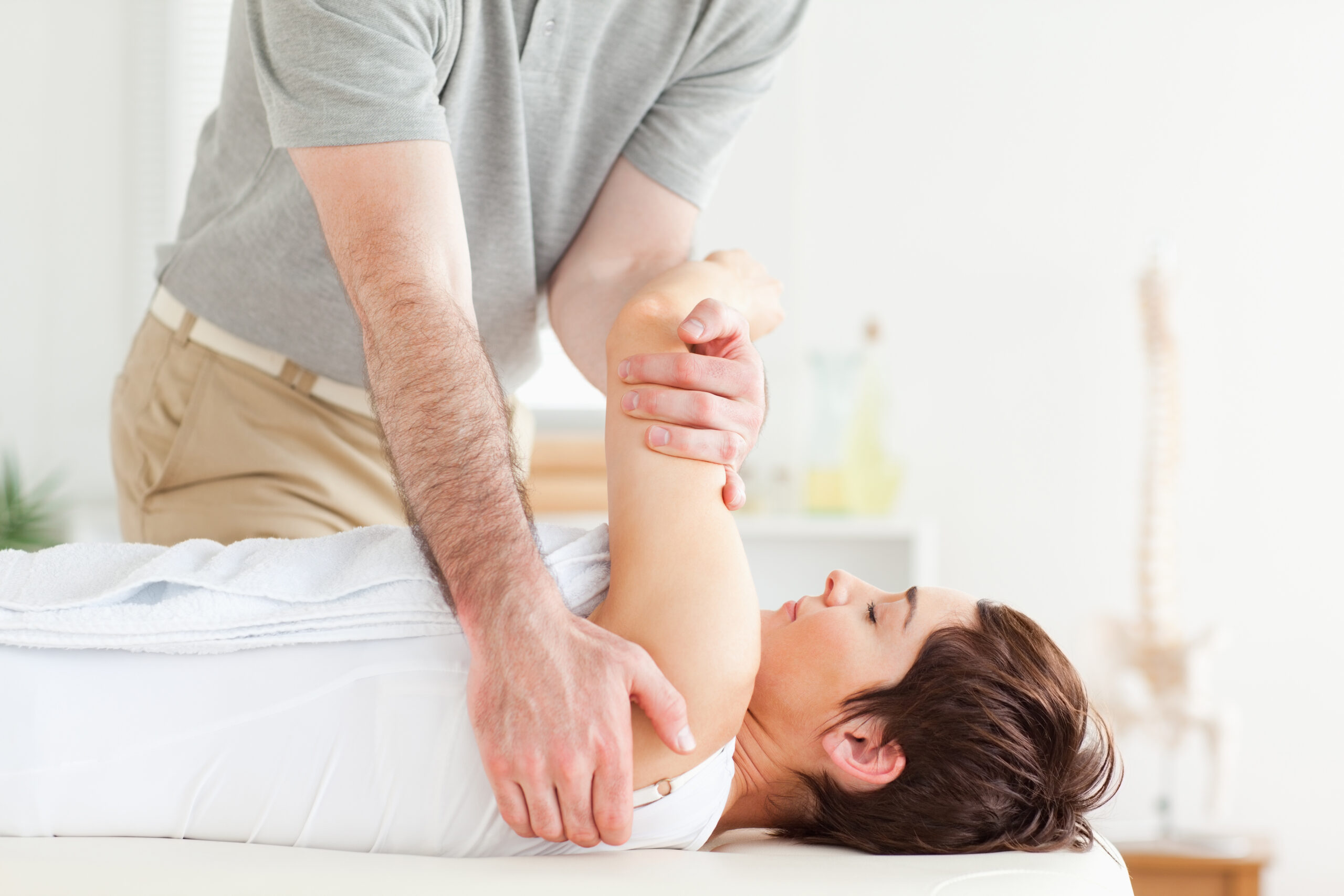
Acute and Chronic Pain
Coming Soon
Sports Injuries
Coming Soon
Post-Surgical Rehabilitation
Coming Soon
Concussions and Balance Disorders
Coming Soon
Pelvic Floor Dysfunction
Coming Soon
Muscle and Joint Dysfunction
Coming Soon
Postural and Biomechanical Issues
Coming Soon
Mobility Limitations
Coming Soon
Workplace and Repetitive Strain Injuries
Coming Soon
Ankle Pain
Coming Soon
Arthritis
Coming Soon
Back Pain
Coming Soon
Balance Disorder
Coming Soon
Chronic Pain
Coming Soon
Concussion
Coming Soon
Vestibular / Dizziness
Coming Soon
Elbow Pain
Coming Soon
Fibromyalgia
Coming Soon
Foot Pain
Coming Soon
Fractures
Coming Soon
Gait Disorders
Coming Soon
Hand Pain
Coming Soon
Headaches
Coming Soon
Hip Pain
Coming Soon
Incontinence
Coming Soon
Knee Pain
Coming Soon
Pelvic Pain
Coming Soon
Lymphedema
Coming Soon
Neck Pain
Coming Soon
Neurological Conditions
Coming Soon
Parkinson’s Disease
Coming Soon
Pre/Postnatal Pelvic Health
Coming Soon
Pre-Surgical Physiotherapy
Coming Soon
Sciatica
Coming Soon
Shoulder Pain
Coming Soon
TMJ Dysfunction
Coming Soon
Vertigo
Coming Soon
Wrist Pain
Coming Soon
Head & Neck
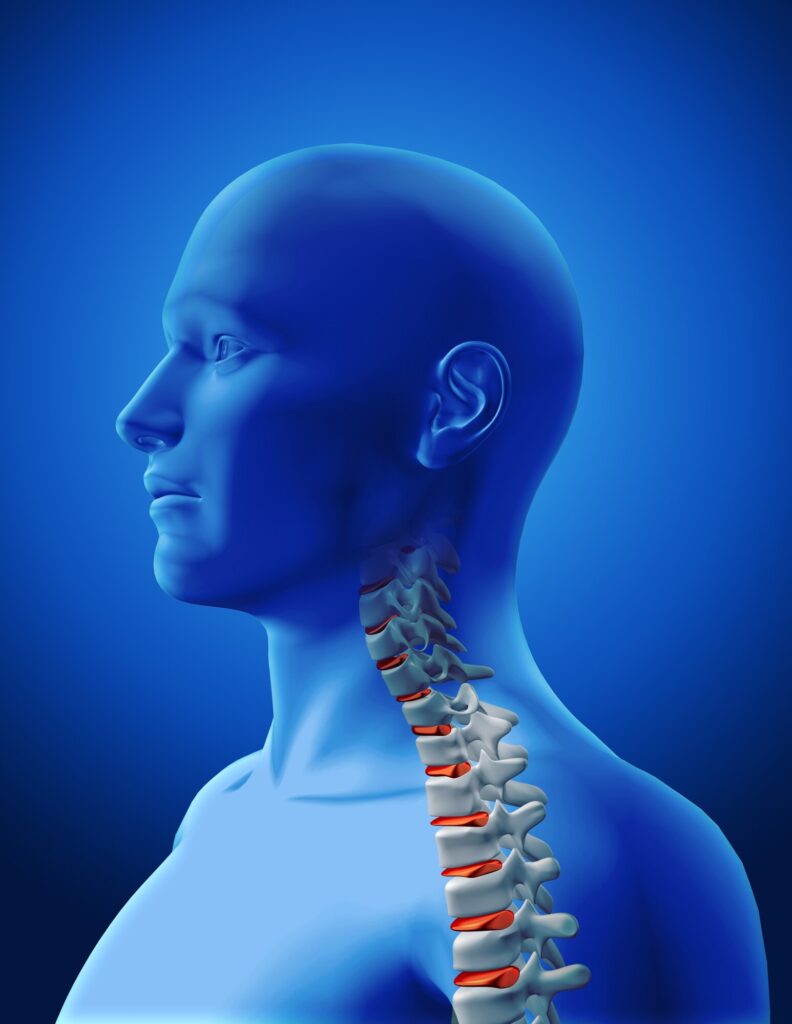
Concussions and Balance Disorders
Concussions and Balance Disorders involve injuries or conditions that can affect coordination, stability, dizziness, and overall movement.
Balance Disorder
A condition that affects stability, coordination, or the ability to maintain balance, often causing dizziness, unsteadiness, or difficulty walking.
Concussion
A mild traumatic brain injury that can affect balance, coordination, concentration, and daily function. Physical therapy can help manage symptoms and support a safe recovery.
Headaches
Pain or discomfort in the head that may be related to muscle tension, posture, neck dysfunction, or other factors. Physical therapy can help reduce symptoms and improve movement and function.
Neck Pain
Discomfort or stiffness in the neck that may affect movement, posture, and daily activities. Physical therapy can help relieve pain, restore mobility, and improve neck function.
Neurological Conditions
Conditions affecting the brain, spinal cord, or nerves that may impact movement, coordination, balance, strength, or daily function. Physical therapy can help improve mobility, function, and independence.
Parkinson’s Disease
A neurological condition that can affect movement, balance, coordination, and mobility. Physical therapy can help improve strength, flexibility, balance, and functional movement.
Vestibular / Dizziness
Conditions that can cause dizziness, vertigo, balance problems, or unsteadiness. Physical therapy can help improve balance, reduce symptoms, and restore confidence with movement.
Vertigo
A sensation of spinning or motion that may affect balance and stability. Physical therapy can help identify contributing factors, reduce symptoms, and improve balance and mobility.
TMJ Dysfunction
A condition affecting the jaw joint and surrounding muscles that may cause pain, stiffness, clicking, or difficulty with jaw movement. Physical therapy can help reduce discomfort and improve jaw mobility and function.
Shoulder
Concussions and Balance Disorders
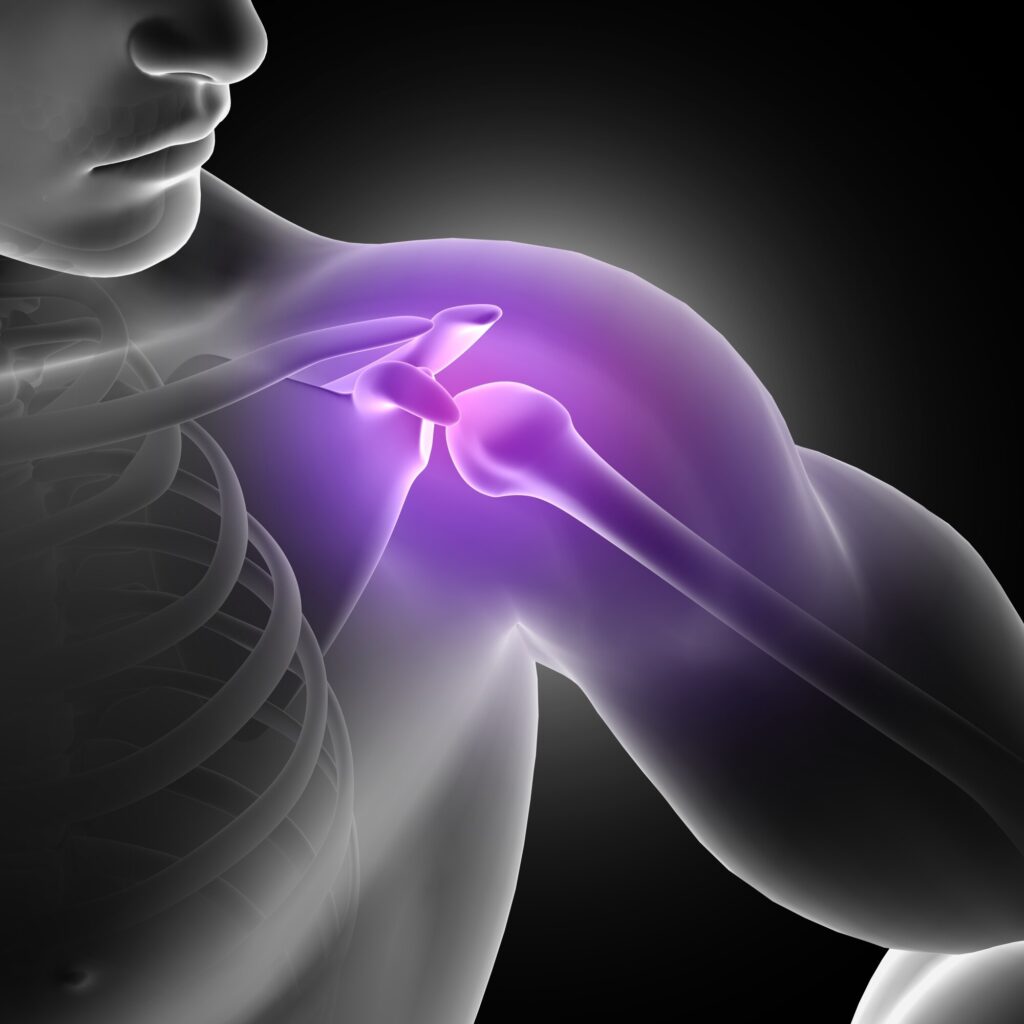
Discomfort or stiffness in the shoulder that may limit movement, strength, and daily activities. Physical therapy can help reduce pain, restore mobility, and improve shoulder function.
Shoulder-related Sports Injuries
Injuries affecting the shoulder caused by sports, repetitive movements, or overuse. Physical therapy can help reduce pain, restore strength and mobility, and support a safe return to activity.
Shoulder Post-Surgical Rehabilitation
Physical therapy following shoulder surgery to restore mobility, strength, and function. Treatment supports a safe and gradual return to daily activities and exercise.
Shoulder Muscle and Joint Dysfunction
Conditions affecting the muscles, joints, and surrounding tissues of the shoulder that may cause pain, stiffness, or limited movement. Physical therapy can help restore mobility, strength, and proper shoulder function.
Shoulder Workplace
Shoulder problems related to repetitive tasks, prolonged positions, lifting, or workplace activities. Physical therapy can help reduce pain, improve mobility, and restore strength for work and daily activities.
Repetitive Strain Injuries
Injuries caused by repeated movements, overuse, or prolonged physical stress that can lead to pain, stiffness, and reduced function. Physical therapy can help relieve symptoms, restore mobility, and prevent further strain.
Shoulder Pain
Discomfort or stiffness in the shoulder that may limit movement, strength, and daily activities. Physical therapy can help reduce pain, restore mobility, and improve shoulder function.
Shoulder-related Sports Injuries
Injuries affecting the shoulder caused by sports, repetitive movements, or overuse. Physical therapy can help reduce pain, restore strength and mobility, and support a safe return to activity.
Shoulder Post-Surgical Rehabilitation
Physical therapy following shoulder surgery to restore mobility, strength, and function. Treatment supports a safe and gradual return to daily activities and exercise.
Shoulder Muscle and Joint Dysfunction
Conditions affecting the muscles, joints, and surrounding tissues of the shoulder that may cause pain, stiffness, or limited movement. Physical therapy can help restore mobility, strength, and proper shoulder function.
Shoulder Workplace
Shoulder problems related to repetitive tasks, prolonged positions, lifting, or workplace activities. Physical therapy can help reduce pain, improve mobility, and restore strength for work and daily activities.
Repetitive Strain Injuries
Injuries caused by repeated movements, overuse, or prolonged physical stress that can lead to pain, stiffness, and reduced function. Physical therapy can help relieve symptoms, restore mobility, and prevent further strain.
Back
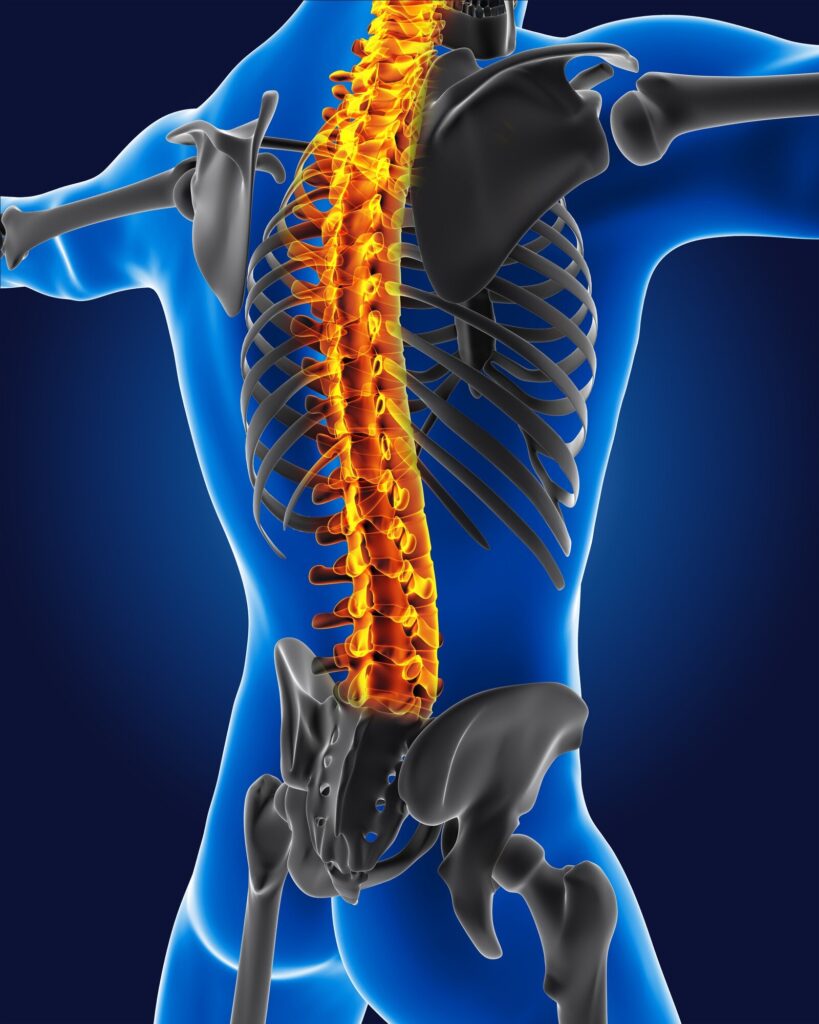
Back Pain
Discomfort or stiffness in the back that may affect movement, posture, strength, and daily activities. Physical therapy can help reduce pain, improve mobility, and restore proper function.
Sciatica
Pain, numbness, or tingling that travels along the path of the sciatic nerve, often affecting the lower back, hip, and leg. Physical therapy can help reduce symptoms, improve mobility, and restore function.
Postural and Biomechanical Issues
Problems with posture, movement patterns, or body mechanics that can contribute to pain, stiffness, and reduced function. Physical therapy can help improve alignment, movement, and overall body mechanics.
Back-related Mobility Limitations
Difficulty moving, bending, lifting, or performing daily activities due to back pain, stiffness, or reduced mobility. Physical therapy can help restore movement, strength, and functional independence.
Back-related Muscle
Muscle weakness, tightness, or imbalance in the back that can contribute to pain and limited movement. Physical therapy can help restore strength, flexibility, and proper muscle function.
Joint Dysfunction
Problems affecting the movement or function of a joint that may cause pain, stiffness, weakness, or limited mobility. Physical therapy can help restore joint movement, strength, and overall function.
Elbow
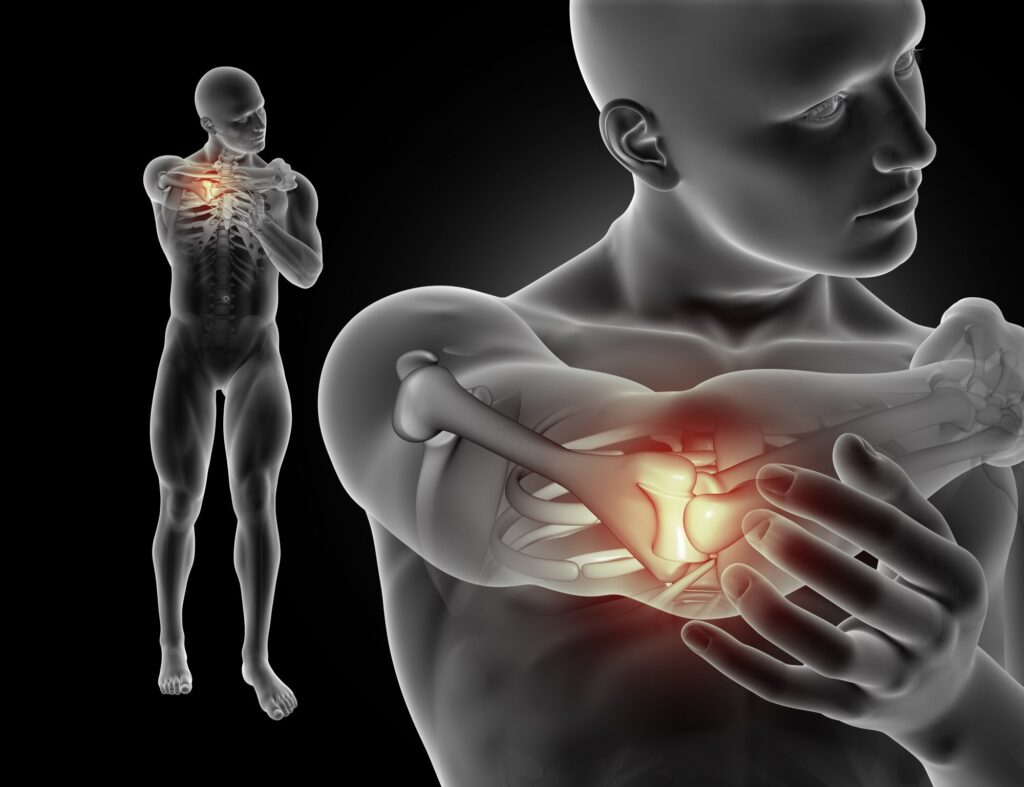
Elbow Pain
Discomfort or stiffness in the elbow that may affect strength, movement, and daily activities. Physical therapy can help reduce pain, restore mobility, and improve elbow function.
Elbow Sports Injuries
Injuries affecting the elbow caused by sports, repetitive movements, or overuse. Physical therapy can help reduce pain, restore strength and mobility, and support a safe return to activity.
Elbow Workplace and Repetitive Strain Injuries
Elbow conditions caused by repetitive movements, overuse, lifting, or prolonged workplace activities. Physical therapy can help reduce pain, restore strength and mobility, and support a safe return to work.
Elbow Muscle
Muscle weakness, tightness, or strain around the elbow that may affect strength, movement, and daily activities. Physical therapy can help restore flexibility, strength, and proper elbow function.
Joint Dysfunction
Problems affecting the movement or function of a joint that may cause pain, stiffness, weakness, or limited mobility. Physical therapy can help restore joint movement, improve strength, and support overall function.
Hand
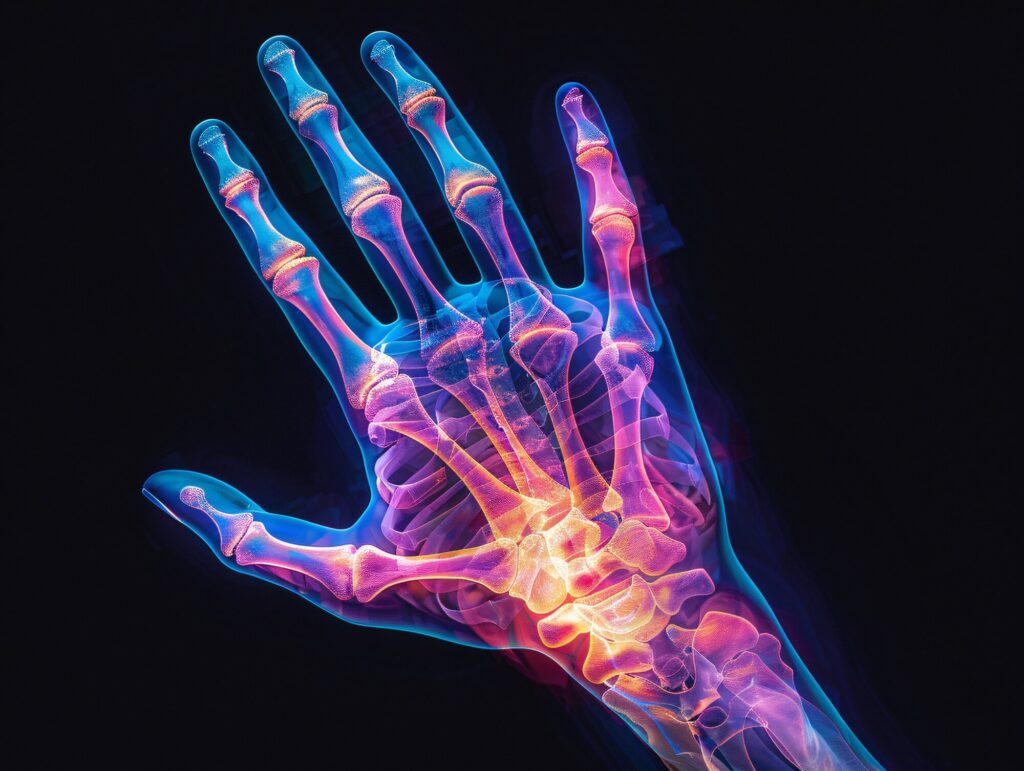
Hand Pain
Discomfort or stiffness in the hand that may affect grip strength, dexterity, and everyday activities. Physical therapy can help reduce pain, restore mobility, and improve hand function.
Wrist Pain
Discomfort or stiffness in the wrist that may affect movement, grip strength, and daily activities. Physical therapy can help reduce pain, restore mobility, and improve wrist function.
Hand/Wrist Sports Injuries
Injuries to the hand or wrist caused by sports, impact, repetitive movements, or overuse. Physical therapy can help reduce pain, restore strength and mobility, and support a safe return to activity.
Hand/Wrist Workplace
Hand and wrist problems related to repetitive tasks, prolonged computer use, lifting, or other workplace activities. Physical therapy can help reduce pain, improve mobility, and restore strength for work and daily activities.
Repetitive Strain
Pain or discomfort caused by repeated movements, overuse, or prolonged physical stress affecting the hand, wrist, or surrounding areas. Physical therapy can help reduce symptoms, improve mobility, and restore function.
Hip
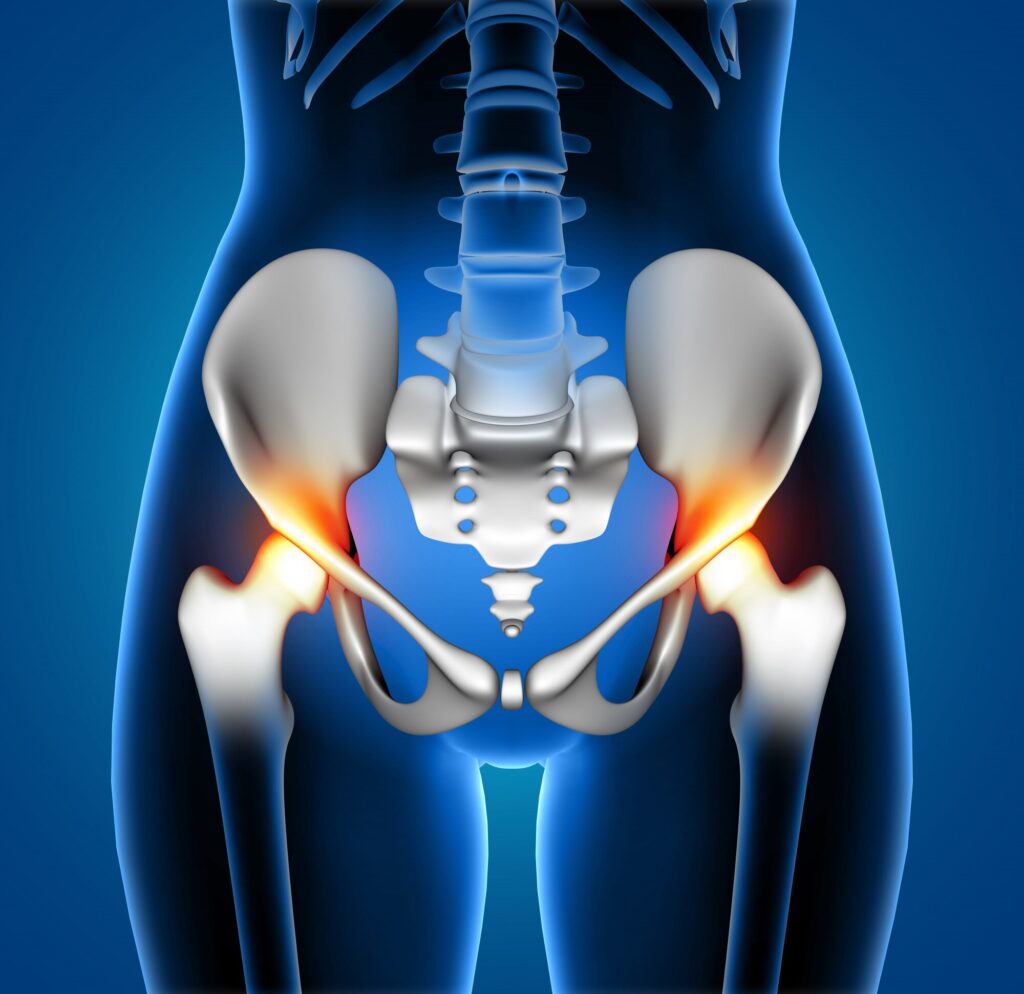
Hip Pain
Discomfort or stiffness in the hip that may affect walking, mobility, strength, and daily activities. Physical therapy can help reduce pain, restore movement, and improve hip function.
Hip Sports Injuries
Injuries affecting the hip caused by sports, impact, repetitive movements, or overuse. Physical therapy can help reduce pain, restore strength and mobility, and support a safe return to activity.
Hip Arthritis
A condition that causes pain, stiffness, and reduced mobility in the hip joint. Physical therapy can help improve strength, flexibility, movement, and overall hip function.
Hip Muscle and Joint Dysfunction
Problems affecting the muscles and joints around the hip that may cause pain, stiffness, weakness, or limited mobility. Physical therapy can help restore strength, flexibility, movement, and overall hip function.
Hip Mobility Limitations
Difficulty moving the hip through its normal range of motion due to pain, stiffness, weakness, or injury. Physical therapy can help improve flexibility, strength, mobility, and overall function.
Hip Pain
Discomfort or stiffness in the hip that may affect walking, mobility, strength, and daily activities. Physical therapy can help reduce pain, restore movement, and improve hip function.
Hip Sports Injuries
A condition that causes pain, stiffness, and reduced mobility in the hip joint. Physical therapy can help improve strength, flexibility, movement, and overall hip function.
Hip Arthritis
Injuries to the hand or wrist caused by sports, impact, repetitive movements, or overuse. Physical therapy can help reduce pain, restore strength and mobility, and support a safe return to activity.
Hip Muscle and Joint Dysfunction
Problems affecting the muscles and joints around the hip that may cause pain, stiffness, weakness, or limited mobility. Physical therapy can help restore strength, flexibility, movement, and overall hip function.
Hip Mobility Limitations
Difficulty moving the hip through its normal range of motion due to pain, stiffness, weakness, or injury. Physical therapy can help improve flexibility, strength, mobility, and overall function.
Knee
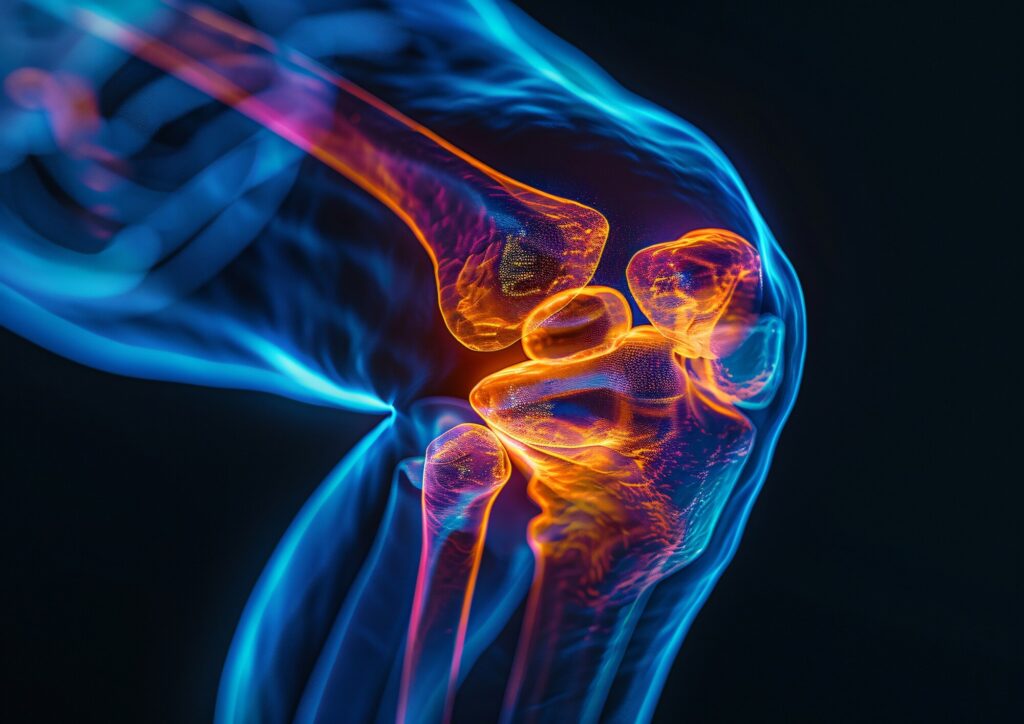
Knee Pain
Discomfort or stiffness in the knee that may affect walking, movement, strength, and daily activities. Physical therapy can help reduce pain, restore mobility, and improve knee function.
Knee Sports Injuries
Injuries affecting the hip caused by sports, impact, repetitive movements, or overuse. Physical therapy can help reduce pain, restore strength and mobility, and support a safe return to activity.
Knee Arthritis
A condition that causes pain, stiffness, swelling, and reduced mobility in the knee joint. Physical therapy can help improve strength, flexibility, movement, and overall knee function.
Knee Post-Surgical Rehabilitation
Physical therapy following knee surgery to restore mobility, strength, stability, and function. Treatment supports a safe and gradual return to daily activities, exercise, and sports.
Knee Muscle and Joint Dysfunction
Problems affecting the muscles and joints around the knee that may cause pain, stiffness, weakness, or limited movement. Physical therapy can help restore strength, mobility, stability, and overall knee function.
Knee Mobility Limitations
Difficulty bending, straightening, or moving the knee due to pain, stiffness, weakness, or injury. Physical therapy can help improve range of motion, strength, mobility, and overall function.
Foot
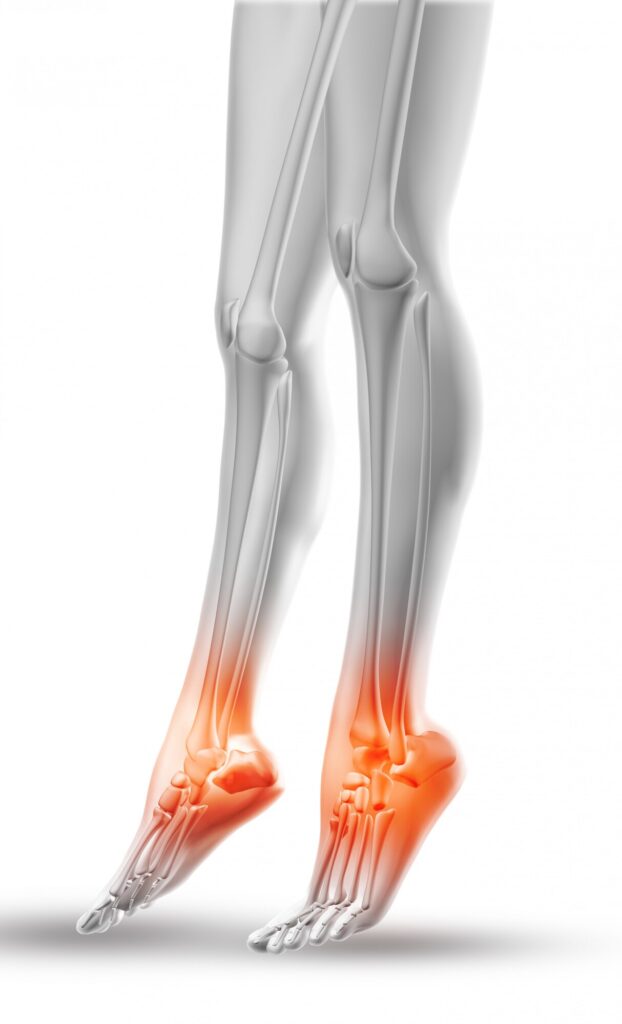
Foot Pain
Discomfort or stiffness in the foot that may affect walking, balance, mobility, and daily activities. Physical therapy can help reduce pain, improve strength and flexibility, and restore foot function.
Ankle Pain
Discomfort or stiffness in the ankle that may affect walking, balance, stability, and daily activities. Physical therapy can help reduce pain, restore mobility, and improve ankle strength and function.
Foot/Ankle Sports Injuries
Injuries affecting the foot or ankle caused by sports, impact, twisting, repetitive movements, or overuse. Physical therapy can help reduce pain, restore strength and mobility, and support a safe return to activity.
Fractures
Breaks or cracks in a bone that may result from injury, falls, or overuse. Physical therapy can help restore strength, mobility, balance, and function during recovery.
Gait Disorders
Conditions that affect the way a person walks, including changes in balance, coordination, strength, or movement. Physical therapy can help improve walking patterns, stability, mobility, and overall function.
Foot/Ankle Mobility Limitations
Difficulty moving the foot or ankle due to pain, stiffness, weakness, or injury. Physical therapy can help restore range of motion, strength, balance, and functional mobility.
Foot Pain
Discomfort or stiffness in the foot that may affect walking, balance, mobility, and daily activities. Physical therapy can help reduce pain, improve strength and flexibility, and restore foot function.
Ankle Pain
Discomfort or stiffness in the ankle that may affect walking, balance, stability, and daily activities. Physical therapy can help reduce pain, restore mobility, and improve ankle strength and function.
Foot/Ankle Sports Injuries
Injuries affecting the foot or ankle caused by sports, impact, twisting, repetitive movements, or overuse. Physical therapy can help reduce pain, restore strength and mobility, and support a safe return to activity.
Fractures
Breaks or cracks in a bone that may result from injury, falls, or overuse. Physical therapy can help restore strength, mobility, balance, and function during recovery.
Gait Disorders
Conditions that affect the way a person walks, including changes in balance, coordination, strength, or movement. Physical therapy can help improve walking patterns, stability, mobility, and overall function.
Foot/Ankle Mobility Limitations
Difficulty bending, straightening, or moving the knee due to pain, stiffness, weakness, or injury. Physical therapy can help improve range of motion, strength, mobility, and overall function.
General/Whole-body & Specialized Conditions
General / whole-body
Acute and Chronic Pain
Discomfort or stiffness in the foot that may affect walking, balance, mobility, and daily activities. Physical therapy can help reduce pain, improve strength and flexibility, and restore foot function.
Sports Injuries
Injuries caused by sports, exercise, impact, overuse, or repetitive movements that may affect strength, mobility, and performance. Physical therapy can help reduce pain, restore function, and support a safe return to activity.
Post-Surgical Rehabilitation
Physical therapy following surgery to restore strength, mobility, flexibility, and function. Treatment supports a safe and gradual return to daily activities, exercise, and normal movement.
Lymphedema
A condition that causes swelling due to a buildup of lymph fluid, often affecting the arms or legs. Physical therapy can help manage swelling, improve mobility, and support comfortable daily movement.
Fibromyalgia
A condition associated with widespread pain, fatigue, and muscle or joint discomfort that can affect daily function. Physical therapy can help improve mobility, strength, flexibility, and overall physical function.
Pre-Surgical Physiotherapy
Physical therapy before surgery designed to improve strength, mobility, flexibility, and overall physical readiness. Preparing the body beforehand can support recovery and help restore function after surgery.
Mobility Limitations
Difficulty moving comfortably or performing everyday activities due to pain, stiffness, weakness, injury, or reduced physical function. Physical therapy can help improve strength, flexibility, balance, and overall mobility.
Workplace and Repetitive Strain Injuries
Injuries caused by repetitive movements, prolonged positions, overuse, or physical demands at work. Physical therapy can help reduce pain, restore mobility and strength, and support a safe return to work.
Muscle and Joint Dysfunction
Conditions affecting the muscles, joints, and surrounding tissues that may cause pain, stiffness, weakness, or limited movement. Physical therapy can help restore strength, mobility, flexibility, and overall function.
Postural and Biomechanical Issues
Problems with posture, alignment, or movement patterns that may contribute to pain, stiffness, and reduced function. Physical therapy can help improve body mechanics, movement, and overall physical function.
Specialized conditions
Pelvic Floor Dysfunction
Conditions affecting the muscles and tissues of the pelvic floor that may cause pain, weakness, or difficulty with movement and daily activities. Physical therapy can help improve strength, coordination, mobility, and function.
Pre/Postnatal Pelvic Health
Physical therapy supporting pelvic health during pregnancy and after childbirth, addressing changes in strength, mobility, comfort, and function. Treatment can help prepare the body for delivery and support recovery postpartum.
Pelvic Pain
Discomfort in the pelvic region that may affect movement, daily activities, and overall function. Physical therapy can help reduce pain, improve mobility, and restore pelvic muscle coordination and function.
Incontinence
Unintentional leakage of urine or stool that may affect daily activities and quality of life. Physical therapy can help improve pelvic floor strength, coordination, and control.
Take the Next Step Towards Recovery
Are you ready to embark on your path to wellness? At Lime Health, our dedicated team is here to support you every step of the way. With our comprehensive physical therapy services, we are committed to helping you regain strength and mobility. Don’t wait any longer—reach out to us today to schedule your consultation and take the first step towards a healthier, more active life.